
LymphStar ProFusion vs. Manual Lymphatic Drainage — What's the Difference and Which Is Right for You?
Not all lymphatic therapy is the same. Here's what you need to know.
If you've been researching lymphatic therapy, you've probably encountered two main options: manual lymphatic drainage (MLD) — a specialized form of massage — and device-assisted approaches like the LymphStar ProFusion.
Both support lymphatic flow. They work differently, and each has contexts where it shines. This post breaks down the key differences so you can make an informed decision — and understand why Dr. Jeanette Downs at Aurum Sage in Vancouver, WA chose the LymphStar approach.
What Is Manual Lymphatic Drainage (MLD)?
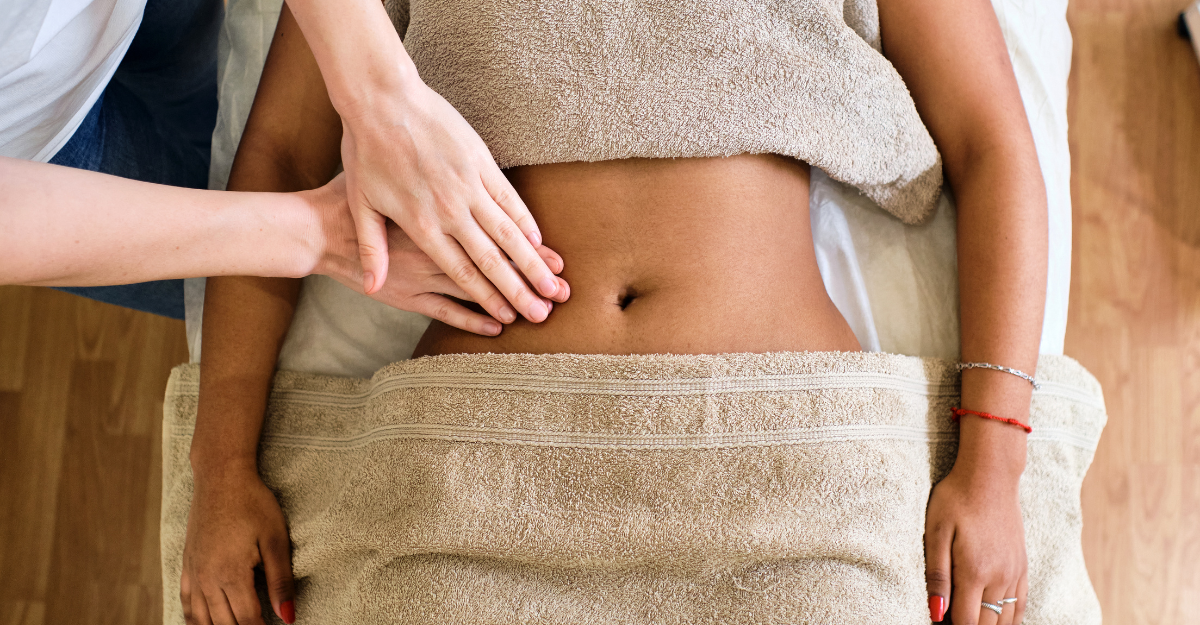
Manual lymphatic drainage is a specialized massage technique developed in the 1930s by Danish therapists Emil and Estrid Vodder. It uses extremely light, rhythmic strokes to stimulate lymphatic vessels just beneath the skin surface, encouraging fluid movement toward the body's major lymph node clusters.
MLD requires significant training and is performed by certified lymphedema therapists, massage therapists with specialized training, or other licensed practitioners. When performed well, it is genuinely effective — particularly for conditions like lymphedema (chronic lymphatic swelling following surgery or other damage to the lymphatic system).
Its primary limitation is depth: because lymphatic vessels at the surface are small and fragile, MLD works primarily on the superficial lymphatic network. It also requires consistent therapist skill and can be time-intensive.
What Is the LymphStar ProFusion?
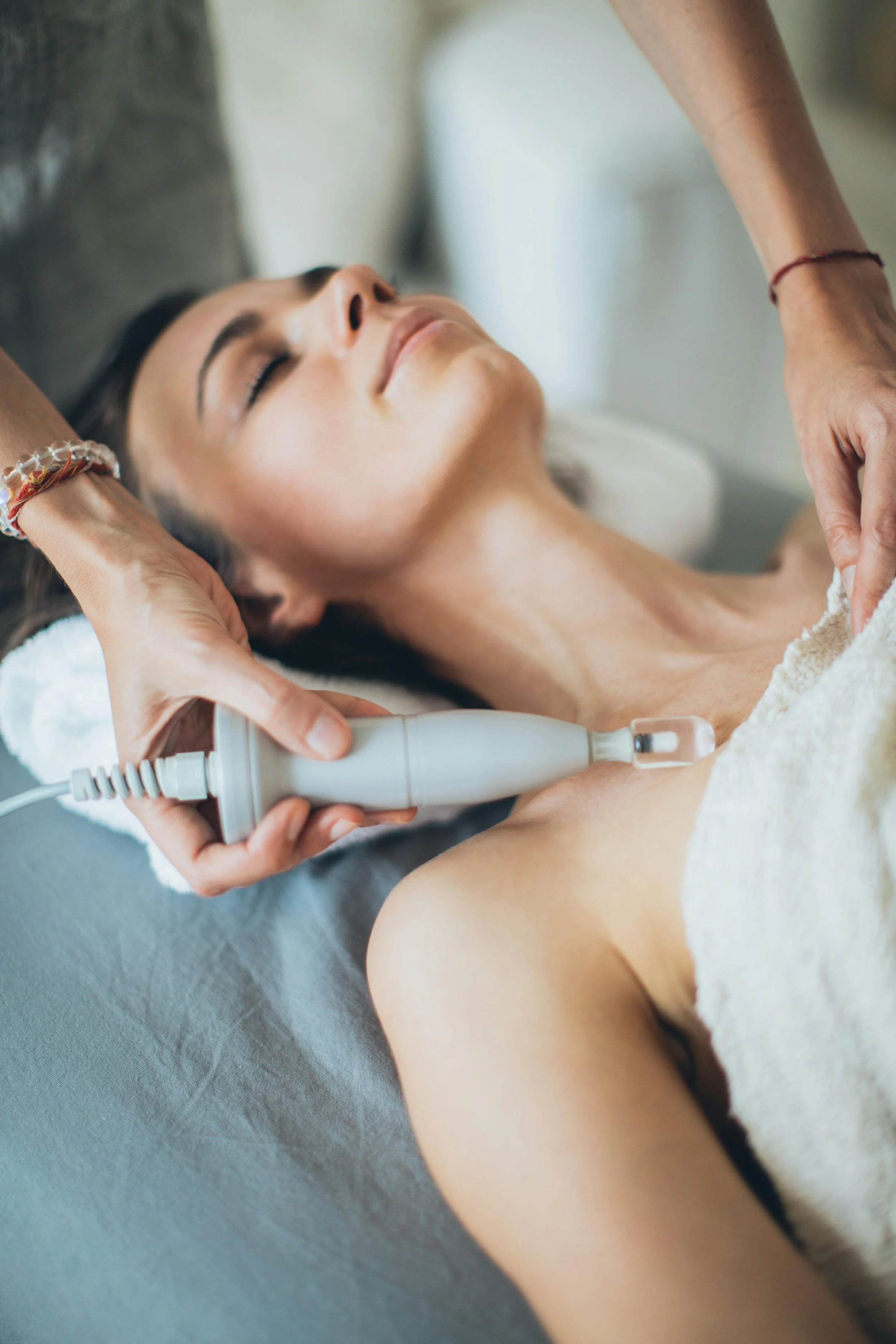
The LymphStar ProFusion is a device-assisted lymphatic therapy tool that delivers light energy, sound waves, and gentle vibrational frequencies through handheld wands applied to the body.
Where manual lymphatic drainage works primarily at the skin surface, the LymphStar reaches the tissue level — affecting not just the superficial lymphatic vessels but the deeper tissue environment in which they operate.
One of its key mechanisms: it reduces the viscosity of lymphatic fluid. Under chronic stress, inflammation, and dehydration, lymphatic fluid can become thick and gel-like — a state that significantly impairs its movement through the vessels. The LymphStar's energy frequencies break up this congestion at the molecular level, restoring the fluid's normal flow characteristics in a way that surface massage cannot replicate.
The treatment is performed fully clothed, is completely non-invasive, and requires no pressure or manipulation of the skin.
Key Differences at a Glance
Depth of effect: MLD works superficially; LymphStar reaches tissue level
Fluid viscosity: LymphStar specifically addresses thickened lymphatic fluid; MLD does not
Comfort: Both are gentle; LymphStar requires no physical pressure
Clothing: LymphStar sessions are performed fully clothed
Scope: LymphStar treats the whole body systematically; MLD is directed manually by the therapist
Combination potential: LymphStar sessions can easily be combined with acupuncture in the same visit

Which Is Right for You?
For most general wellness applications — fatigue, brain fog, fluid retention, immune support, skin clarity, stress recovery — the LymphStar ProFusion offers comparable or superior results to MLD with greater comfort and depth of effect.
For advanced lymphedema (significant, chronic lymphatic swelling following surgery or radiation), a combination approach may be recommended — manual drainage for maintenance alongside device therapy for deeper tissue support.
If you're unsure which is appropriate for your situation, Dr. Jeanette is happy to discuss your specific needs at your first visit.
Ready to Experience It for Yourself?
Lymphatic Enhancement Therapy with the LymphStar ProFusion is available at Aurum Sage in Vancouver, WA with Dr. Jeanette Downs, starting April 27th.
Sessions are 60 minutes, deeply relaxing, and can be combined with acupuncture for a comprehensive restorative treatment.